
Carey Green’s Daily “Godcast” Devotionals
Updated: Sep 16

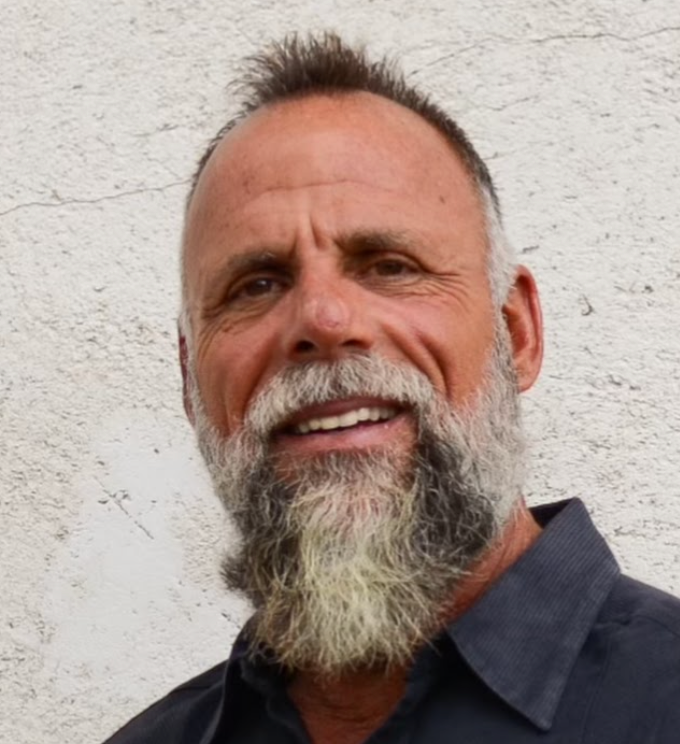
Carey Green is a pastor, yes, but his amazing work in the world of podcasting has been his passion for the past decade. His business, "Podcast Fast Track" provides coaching, and behind the scenes podcast detail work for his long list of clients. But he's also a podcaster himself, with a daily audience of nearly 100,000 listeners.
Listen right here, right now.
Watch the Episode, right here, right now.

His Morning Mindset was launched on January of 2018 and thus far has over 47 Million downloads in 180 countries. It's a 6 minute Biblical launch to your day designed to align your day with God's teaching.
If you are a podcaster or potential podcaster or are intrigued by this new way to reach a huge audience, you'll hear the details and strategies to creating a show and gaining an audience whether Christian based or not.
As with all of our amazing life stories we will drill down on Carey's personal Christian journey, his God moments as well as faith challenges.
Carey shares his thoughts on "writing down" prayers, as well as being patient and trusting God's timing.
He concludes our conversation with an inspiring Bible verse that gives him (and maybe you) spiritual motivation every day.
Take a few minutes with another amazing Jesus journey...on Amazing Greats.


CAREY GREEN AT A GLANCE
Pastor • Podcaster • Podcast Consultant • Creator of The Morning Mindset • Christian Teacher
Topics
Faith • Pastoral ministry • Podcasting • The Morning Mindset • Prayer • Bible study • Podcast strategy • AI • Calling • Spiritual growth
His Faith Journey
Christian upbringing → Faith at age 5 → Personal faith in high school → Ministry calling → 23 years as pastor → Burnout and ministry transition → Podcasting → The Morning Mindset → New call toward pastoral ministry
This Episode Explores
Carey Green's faith journey from childhood to ministry
How a high-school Bible study deepened his faith
His call to pastoral ministry
Why he left pastoral ministry after 23 years
How Podcast Fast Track began
What makes a great podcast
Why consistency and quality matter
How AI is changing podcast production
The story behind The Morning Mindset
Carey's system for organizing and tracking prayer
Why writing prayers helps him focus
His unexpected call back toward pastoral ministry
Learning patience through unanswered prayers
Questions Answered
Who is Carey Green?
How did Carey Green become a Christian?
How did Carey Green become a pastor?
Why did Carey Green leave pastoral ministry?
What is Podcast Fast Track?
What makes a great podcast?
How important is consistency in podcasting?
What is The Morning Mindset?
Why is The Morning Mindset only about six minutes?
How does Carey Green organize his prayer life?
How has AI changed podcast production?
Why does Carey Green write out his prayers?
Why does Carey Green feel called back to pastoral ministry?
What is Carey Green's life verse?
Podcast Transcript: Carey Green on Faith, Podcasting, Morning Mindset & Following God's Call
Amazing Greats with Ric Hansen
From Pastor to Podcaster
Ric Hansen:Hi, this is Ric Hansen, and this is Amazing Greats. Thank you for tuning in today.
Today we have an opportunity to talk to a guy who was a pastor turned podcaster. And even today, his podcasts are pastoring. He's got a daily podcast called The Morning Mindset and does a whole lot more within the podcast world.
You're going to find out all about that and all about him right now on Amazing Greats.
Today, we have a great opportunity to talk to a guy who has not only got a great faith journey, but has been actively involved in podcasting in general.
Let me give you a little rundown, a little résumé information on Carey Green.
Carey was a former pastor, a worship leader, a lead pastor at different churches along the way. But after 23 years as the head of a church, you kind of switched gears and became a podcast pundit, as it were—from pastor to podcast pundit.
That's where you are today, and that's what we're going to talk about.
You've launched this business called Podcast Fast Track. You're the host of a podcast called Podcastification. Is that still up and running?
Carey Green:Not so much, but it was a lot of fun while I was doing it.
Ric Hansen:Okay. And you've got a blog, and you have a podcast course I ran across called How to Podcast Step by Step.
And I know you because I found your daily podcast called The Morning Mindset and loved it. I'm a daily fan.
That podcast itself is pretty amazing because you get somewhere in the neighborhood of 100,000 downloads a day. I saw somewhere 48 million downloads altogether, and you're in 180 countries around the world.
Carey Green:So it's a big deal, and it's good. It's blown me away what's happening with that. It's been such a blessing.
Carey Green's Faith Journey
Ric Hansen:So let's start first with your faith journey.
I know you were born Christian, right? You came into a Christian family.
Carey Green:Well, I came into what I call a partially Christian family.
My mom was a believer. She had me in the church nursery practically the day after I was born, and my dad did not attend church and was not a believer.
So I was raised in the church, went to Sunday school, all that sort of stuff, and had the opportunity to place my faith in Christ when I was five years old.
I still have a fuzzy memory of being at the old Baptist church on a Sunday evening service. They had the old wooden altars down in the front.
I know I had gone down before to pray about who knows what—the dog, the friend at school, whatever.
But this particular Sunday, I went down, and my mom would always come down and pray with me and see what was going on.
That Sunday I wanted to accept Christ as my Savior. So my mom was able to lead me to faith in Christ right there at that old altar.
Ric Hansen:Wow. Wow, wow.
Was it a challenge to have a mom who was a faithful Christian and a non-believer dad? How did you negotiate that?
Carey Green:Well, you know, being a young man, a young boy, that was confusing to me—why Mom thought it was so important and Dad didn't.
He passed away about three years ago at 95. He was from that generation that had a hard time talking about deep subjects and their emotions and how they felt about things.
Over the years, especially as I became an adult, I was able to talk with my dad about his faith and whether he had any at all.
It was always a hard conversation. I never really got any satisfactory answers from him that convinced me he knew Christ as his own personal Savior.
So as a little boy growing up, I was just kind of confused about that.
I loved church. I enjoyed going, so it didn't deter me. But I had some siblings who had other experiences with that because of Dad's lack of consistency.
Discovering a Personal Faith
Ric Hansen:Interesting. I came from the same kind of household. My mom was a Catholic, and my dad basically stayed home on Sunday morning.
So I'm kind of familiar with that story. You do kind of wonder as a kid, "What's the deal? What's going on with this?"
Somewhere along the line, after you were five years old, you must have found more of an adult or personal relationship with Jesus.
How did that happen specifically, and when?
Carey Green:When I was in high school, I had a teacher who was the band instructor, actually.
I was in the band, played in the drum section, and he was a strong Christian. He started an organization in our little school called the Fellowship of Christian Musicians.
He started inviting people to come, and we had 30 or 40 kids who would come every week for a little Bible study and stuff like that.
That's really where my faith began to grow.
I really just fell in love with the Lord and with the concept of being faithful for a lifetime.
I realized at that point as well that everything I'd grown up with in the church—hearing all the time—was kind of just handed to me rather than owned by me.
So it was at that point in high school that I remember having the talk with myself:
"If this is real, I need to find out why it's real. I need to know why I believe. And if it's not, I'm going to just pitch it."
So, in that process of discovery, I found it to be so real.
The Call to Ministry
Ric Hansen:Where along the line did you get called to ministry—to becoming a church pastor?
How did that happen? Were you called? I mean, was there a physical sign from God that you needed to go that direction?
Carey Green:I was in my first year of college.
I'd been attending a school in Texas where I grew up called West Texas State University. It's now West Texas A&M.
While I was there, I had a friend from church camp days when I was in high school who worked at Colorado Christian University. She kept sending me information about the school.
So I finally decided to go up for a campus day and checked out the programs that were going on.
The first Bible class that I ever sat in on just captivated me.
I decided, "Man, I'm going to switch schools. I'm going to come up here and learn ministry."
I got into youth ministry at first, and then within three or four years realized I had more of a heart for ministering to adults and being involved in adult ministry.
It just kind of went step by step from there—associate pastor, then a teaching pastor, and then up the ladder it went, so to speak.
Ric Hansen:And then did you bounce around to different churches in different parts of the country during that period of time?
Carey Green:Yeah. During the 23-ish years that I was a pastor, I was an associate pastor in Colorado, I was a lead pastor in Hawaii—
Ric Hansen:Tough duty there, right?
Carey Green:Yeah.
I did church planting in Colorado again, then again a lead pastor in Reno, Nevada, and then back to Colorado.
We just kept coming back to Colorado. It's kind of a cool place.
That's where I was when I retired from the ministry.
Leaving Pastoral Ministry
Ric Hansen:So my background's radio, and your career kind of sounds like a radio guy's career, where they bounce where the jobs are, where the need is, and they see the countryside by virtue of their career.
So you got a lot of that going on too.
You were in ministry for 23 years. It's kind of unusual that you decided somewhere along the line to leave that and decided to step away from the daily ministry of your faith.
Carey Green:Yeah, well, that's really an interesting story, and it's kind of come full circle, which I can get to in a moment.
My wife and I had spent all that time—those 23 years—in all these different churches, never really being at one church long enough to get what they refer to as a sabbatical, to get the opportunity to just take a break from ministry.
As a result, the cumulative effect of just working and working and working and working, we really got kind of burned out and felt like the calling to ministry was just gone.
We still loved the church. We still loved our fellow believers, but we just didn't see ourselves maintaining that role anymore as pastors.
So I resigned and let the elders at our church know that I was going to be resigning.
We got everything in order for about three months and then stepped out, not really knowing what I was going to do.
I had a lot of different experiences trying to figure that out and finally just had to build my own business from scratch.
We lived in a mountain town in Colorado that we just loved, and I didn't want to move. There were no jobs there that could support my family at the time.
So we just started working on a podcast production business, which is the one you referred to, Podcast Fast Track.
The Morning Mindset
Ric Hansen:This is Amazing Greats with our guest, Carey Green, pastor turned podcaster.
In Morning Mindset, the whole concept is putting yourself in God's will early on in the day.
My last kind of faith question, at least for this moment, is: What's your morning look like?
Carey Green:For me, I'm usually up at 4 a.m.
That was a practice I developed in college because, in my crazy school, it was the only time I could get peace and quiet to study.
So I still get up at 4 a.m. every morning.
I get out my Bible and my little keypad and my tablet.
Right now, I'm in the process of studying through the Bible in two years. It's a more relaxed pace. It has room for days to be missed, things like that, so that I don't get burned out on it.
At that slower pace, I'm really enjoying digesting Scripture at a consumable rate, I guess I would say, and enjoying it a lot.
Within that, too, is a time for prayer.
I'm a guy who stays focused and thinks better when I type or when I write. So I basically write out my prayers every day when I'm doing that.
Recently, the Lord's pulled me into prayer a lot more. So I'm doing that a lot more than I ever have in my life.
As a result, it's just a wealth of rich experience with the Lord that I'm really enjoying.
Building a Podcast Business
Ric Hansen:Fantastic.
With The Morning Mindset and the other podcast work you do, did The Morning Mindset come first, or did Podcast Fast Track come first?
Carey Green:Actually, neither of those came first.
I had a podcast called Christian Home and Family that I started back when I was still a pastor.
That experience made me fall in love with podcasting.
Moving on from there, I realized that people who do podcasts need someone, a lot of times, to come along and do all the "grunt work," as I call it—the editing, the show notes creation, the posting to the different platforms and websites and all of that stuff.
So I decided when it was time to start a business, that's what I wanted to focus on and see if we could build a service-based business out of that—and do it at home.
Our team today is 11 people, and it's been remote since day one.
We have a team in place that's just a phenomenal group of people.
So, to answer your question, neither of those came first, but the business did come before The Morning Mindset, that's for sure.
Ric Hansen:Podcast Fast Track is basically what you described there.
Somebody has a podcast that they're proud of and wants to make better, but it's hard work and requires a lot of things they may not have skills in.
Maybe they have skills at the podcast itself, but surrounding that with the marketing and all of those kinds of things.
That's where you come in. You're the support vehicle for a person who's doing a podcast.
Carey Green:You've described it perfectly, Ric.
I think the ideal client that we're able to serve the best is someone who, either because of their expertise or because of their time, should not be editing podcasts.
That's a waste of time for them, but it still needs to be done.
So we give them back their time by producing all the goods they need to make that show run without them having to do anything except have good conversations like we're having right now.
What Makes a Great Podcast?
Ric Hansen:So you're a podcast guru.
I want to get your feelings on this because I think some of our audience might actually be considering the idea of podcasting.
What are the characteristics that make a great podcast?
Carey Green:First of all, you have to have a great concept.
That doesn't necessarily mean your subject matter. It means the way you're going to format your show so that it can stand out.
There's a lot of interview shows. There's a lot of good interview shows. But because there are a lot of interview shows, it's hard to stand out.
If you can have some unique spin to your show or some unique way of approaching a topic, that makes for a much more engaging show that's curiosity-provoking for people.
They hear the spin and go, "Oh, that sounds interesting. I'd like to check that out."
On top of that, you've got to be engaging as a host.
You've got to be able to ask and answer good questions.
You've also got to be able to approach subject matter in a way that isn't typical—not asking the same questions everybody else does, not conducting your interviews in the same way.
Letting your personality shine through is a lot of it because the people who listen to you are going to tend to see the world the same way you do.
If you can just be natural in who you are, it really draws the people who are your ideal audience.
And then I guess the last thing I would say is quality content.
Your content has got to be helpful.
If it's not helpful or entertaining or enriching to someone's life in some way, they're going to shut it off.
The Importance of Consistency
Ric Hansen:Absolutely. That's so critical.
What about consistency? Is that an important part of it as well?
Carey Green:Especially as you begin to build an audience, consistency is vital because your audience becomes accustomed to how often your episodes come out.
If you're missing here and there and, say, you've got a three-month spell where you don't publish anything, a lot of people are just going to remove your podcast from their app because it's cluttering up their screen space.
You want to make sure that you're getting out good content.
Now, if it came to a choice between producing good content less often and producing bad content every week, I'd rather you do the good content less often.
We don't need more noise in the world.
Coaching Podcasters
Ric Hansen:So when you coach a podcast client, do you give them that kind of input—the content input, delivery input, technological input? Is that a part of what you do as well as doing the "grunt work"?
Carey Green:Yeah. That is one of the services we can offer.
I've been podcasting myself since 2013, when I began my first podcast.
In working in the business, I've served over a hundred different clients and seen different ways of doing it.
I have a lot of experience to draw from in consulting, which is what you're describing.
So yes, we'll help with technical questions, setup of the show, brainstorming the format for the episodes and what would actually reach the audience they're intending to reach.
All of that kind of stuff is stuff we can offer on an as-needed basis.
And as a client is working with us, we love to have little spot checks where we take a season of four or five weeks to listen to their podcast, make notes, come back to them with recommendations on how they can improve and what they can do to draw in more listeners.
Just all kinds of things like that, depending on the need.
Finding Podcast Clients
Ric Hansen:And how do you find clients? How do you find podcasters who need the help?
Carey Green:That's a great question, Ric.
We mostly depend on word of mouth and referrals.
Most of our clients have been with us for three years or more, so we've got a stable of clients who are very happy with what we do.
They quite often are sending referrals our way from people who ask them, "Well, how did you start your podcast?"
"Well, hey, you've got to talk to these guys."
That's how it happens most of the time.
I'm also very active on LinkedIn. I try to post regularly on LinkedIn—helpful content about podcasting for those who are interested.
From that, I tend to generate some leads that turn into clients from time to time.
How Podcast Fast Track Works
Ric Hansen:How does pricing work?
Do you have certain elements of their podcast for X number of dollars, or is it by the hour? How does it work?
Carey Green:We've got different pricing on the different elements of what they might want.
For example, we'll put a package together that fits the client.
If they need only audio editing, we have two ways of going about that.
We can have a human being go through their audio second by second, word by word, and edit it for the content they want edited out of that audio.
Then we can mix it all together, level everything, make it publication-ready and deliver it wherever they want it delivered—to their media host account, their website, their Dropbox, whatever they want.
We have another service that we've just begun that's AI-generated.
Believe it or not, technology can do that these days.
The editing is done by machine, and then someone on our team comes behind and proofs it and makes sure that it's adequate.
For the first service, we set up monthly subscriptions where we're charging the same amount every month for a certain number of episodes that the client wants to do.
The AI-generated edit is an on-demand, pay-as-you-go service.
Someone could come to the website, submit their information, and we get to work right away and have that back to them within three to five days.
AI and the Future of Podcasting
Ric Hansen:This is Amazing Greats with Ric Hansen.
Our guest today had an altar call at the age of five. Here's his story on Amazing Greats.
That's weird and amazing—that AI has even jumped into the podcasting business.
You'd think that would be maybe protected from AI, but all of the information is available.
Is the voice work itself also being provided by artificial intelligence?
Carey Green:That's possible. It's very, very expensive right now to do that in a way where it's not obviously a synthetic voice.
There are more and more human-sounding voices all the time that basically sample real voices and then reproduce language according to a script.
But the inflection's weird.
The volume either doesn't fluctuate at all or it fluctuates too much.
It's getting better all the time.
What I was referring to is just the editing process itself.
The clients provide us the audio, and then the editing would be done by AI.
It basically pulls a transcript, looks for certain words that it knows are filler words, or stutters or things like that.
You can even designate which of those you want removed and which you don't, and the AI will just do it all for you based on that transcript.
Ric Hansen:Amazing.
One of my questions was: Where is AI going? Do you think one day there'll be voice-over AI podcasts?
Carey Green:I know there are some people who have done it just as an experiment to see if it's possible.
It is possible, but like I said, it's very expensive right now.
Only big brands could afford to do it.
And if they're going to pay that much money, they might as well pay for a real person to do it because it's a little more authentic feeling at this point.
Will we ever get to the point that we don't need companies like mine?
Maybe. I don't know.
You're still going to have that time issue.
Does the client want to put it in the AI themselves and babysit it and make sure it does it right and all of that?
Somebody's still going to have to push the buttons eventually.
How to Stand Out in Podcasting
Ric Hansen:One of the things you mentioned, and it's so true, is that the good news is there are now opportunities for any old schmo to find an audience and provide content to an audience worldwide.
You don't need a radio transmitter. You don't need all of that. It's available to everyone.
The good news is it's available to everyone.
The bad news is it's available to everyone.
You have people who may not even be qualified, or who put out schlocky stuff.
Is there a magic bullet—some way to cut through all of that?
I think you already mentioned one thing, which is a very specific target audience and topic. That's important.
Anything else that we podcasters might glean from this conversation?
Carey Green:If you're looking to stand out within your niche, whatever that niche is, one of the ways I've seen that work best is to go to any podcast directory, whether that's Spotify or Apple or wherever you go, and search for the keywords having to do with your niche.
In yours, you might say faith, interviews about faith, or things like that.
See what all comes up.
The first step I always advise people to do is look at all the artwork.
Which ones pop and which ones are just there?
The ones that pop are the ones that are going to get your attention and intrigue you to look at what's there.
Once you've done that, look at those pieces of artwork that you like and say, "What could I do with my artwork that's different?"
Maybe a different color, maybe a different appearance to the font, maybe something more edgy—depending on what your topics are.
You have to fit your topics.
But you want to be able to stand out, and that begins visually because that's how people typically find podcasts.
Secondly, you want to produce your podcast with good-quality audio, with your ducks all in a row in terms of your content.
You're not just spitballing it. You've got an outline you're following so that it makes sense.
Anybody can get behind a mic and just ramble, and anybody can do it with bad quality.
But if you take the time to make it better quality, you're upping your chances of your listeners actually liking what they hear, which is vital.
The Purpose Behind The Morning Mindset
Ric Hansen:Let's talk about The Morning Mindset.
That's how I first found you. I was looking at faith-based podcasts, and I was looking for kind of a devotional.
The Morning Mindset is a very quick—six minutes typically—daily podcast.
It is very biblically structured. You take a Bible verse, and the part that I love about it, and I think is the most appealing, is the fact that you bring context to the Bible verse and kind of tell the story about what the story is about.
For people who are new to faith, they get a personal view of what that Scripture verse really was all about.
I think you're in John right now, and the story continues day to day.
How did that all come about? Was that a matter of experimentation? Did you know right away this was the way you wanted to make it happen?
Carey Green:I started The Morning Mindset for two reasons.
In my pastoral experience, I knew that people struggle with consistency when it comes to reading Scripture, praying and understanding their Bibles.
Part of that is because it's so intimidating.
It's this ancient book. It depends on what version you have, but if you've got the King James and it's got the "thees" and "thous" in it, that's confusing even to me today.
People just had a hard time being consistent for various reasons.
Secondly, I knew from my own life that getting my mind aligned with God's truth first thing in my day—whatever time of day that is—is vital.
If I'm not thinking God's thoughts as I go into the day, what am I going to be thinking?
I'm going to be thinking my thoughts. I'm going to be thinking selfishly. I'm going to be thinking in ways the world programs me to think.
So I felt like it was vital to produce some kind of resource that could address those two issues.
I decided on six minutes because I figured anybody can devote six minutes to getting into God's Word at the beginning of their day, whether they're driving in their car, on the treadmill, putting on their makeup, or whatever.
Anybody can do that.
Regarding going through the Scriptures the way that I do, that's just how I teach. That's how I learn Scripture best—to follow along with the train of thought and argument that the original author had when he put it on paper.
It makes sense to me to do it that way, and I think people learn better that way too because it's all in context.
You don't have the risk of yanking a verse out of context and making it say something it doesn't say.
That's just my style. That's what I love to teach, or how I love to teach.
I've made tweaks as I've gone along to where certain things fall in the episodes and why I do it the way I do.
It's all just learning by experience.
The Growth of The Morning Mindset
Ric Hansen:I applaud your ability to be human and personable.
That really makes a difference too. It's like you're a real person telling me a real story, and it's about stuff that is, like you say, a little confusing.
You're making sense out of all of that.
I think it all works well together and probably why you get 1,000 downloads a day or whatever.
How long have you been doing The Morning Mindset?
Carey Green:I started January 1, 2018.
I had been doing podcast consulting and services long enough to understand some strategic things.
Number one was that the audience I'm looking to attract typically will make resolutions at the beginning of the year about their spiritual life in some way.
So I thought, "Okay, I want to have this launch when people are looking for it the most."
Secondly, I wanted it to be short, like I said, so anybody could consume it.
And then I just wanted to make sure it was done in a way that made sense to people.
All of those things kind of conspired together so that on day one, I think by the end of the day, we had maybe 90 people who had downloaded it.
By the end of the first month, we had 500 to 600 people who were listening every day.
And it just kept going up from there.
It blew me away how this thing grew over time.
Ric Hansen:God's math, huh?
Carey Green:God's math. Exactly.
Carey Green's Audience
Ric Hansen:Do you have any research or knowledge—or just a gut feeling—about who your audience is? Age group? Demographics?
Carey Green:I don't know demographics, but I do get a lot of people who send me emails and ask me questions and things like that.
It seems like the average age is probably 30 to 50 somewhere in there.
Most of them are people who either have been in church for a while or have been in church their whole life.
I'm totally happy when there's someone brand new to the faith who listens.
I've gotten a lot of emails from people saying, "I came to Christ because of The Morning Mindset," or, "I'm refreshing my faith because of The Morning Mindset."
And I love that.
That's what keeps me going.
Carey Green's Prayer System
Ric Hansen:The amazing work of a gentleman by the name of Carey Green here on Amazing Greats.
He's the author of The Morning Mindset and is our guest and tells his story.
I did a lot of stalking of you prior to this event today, and one of the things online that just amazed me was a video I saw where you were explaining your prayer tracking system.
You used an outside third source called Notion, I think it was, an interval timer.
It is so intricate and so detailed.
I knew right away that you were a fastidious kind of guy because nobody does this.
But you have filters that you can filter out what kind of prayer.
Tell me about that and all the things it can do.
Carey Green:That system came about after 25 or 30 years of struggling to pray consistently.
I worked at identifying what the barriers were—what were the things making it so hard for me?
Number one was I had no system.
I would put things in a long list and try to pray through the list, and it was like, "I wear out because I can't get through the whole list every time I sit down to pray."
So what do I do with that?
I had to figure out a way to do some of them some days, some of them another day, and figure that out.
Notion came into my life about two years ago. I'd been using it for the business for a long time.
It just dawned on me one day, with all the power of this software to filter things and set up databases in ways that are more usable for this or that, I think I can use this for the prayer system.
So I started experimenting.
It wasn't easy to figure out all the things I did, but now I've got it to where I can go into it.
I've got a little timer on my phone.
I decided on three minutes for every request.
I'm going to have a 15- or 20-second pause between each request so I can calm down and clear my mind and get ready to pray for the next thing.
It's like an exercise timer. It has beeps to tell me it's about time to pray and all that.
It feels really artificial, but it helps me be consistent, which is what I care about.
Ric Hansen:Yeah. It's so amazing.
And there's even a section for answered prayers.
I guess they get discarded from the prayer list and then you can archive them so you can go back and say, "Look at all this stuff that has been answered by God."
Carey Green:Yeah, and I've been doing this for less than a year.
I haven't even hit the end of a calendar year yet.
My plan is, at the end of a calendar year, I'm going to go to the answer tab and look at everything that was answered during that year.
Man, you think you're going to have some things to rejoice about.
That's going to be a fun day.
Writing Prayers
Ric Hansen:Is that something you're thinking about commercializing—the whole prayer system idea?
Carey Green:Not really.
Notion has a way you can set up templates that you can sell and that kind of thing.
I just don't know because I don't know how many people are going to use a system like I created.
Like you said, it's kind of complicated.
I don't feel it's complicated anymore because I've learned it, but I don't know if most people would go to that length.
Ric Hansen:The other thing that I loved about what you said a little earlier in the conversation, because I kind of feel the same way, is that it's easier for you to write down a prayer than just verbalize it.
That's the same with me.
I find that it's much more—it's like it's coming from God, for one thing, as I'm writing.
It's a divinely inspired prayer that I can go back to tomorrow or three weeks from now and recognize the value and content of that prayer.
Some of those prayers end up being—I use a thing called My Wonderful Day, and it's an online journal.
Every day I put in my prayer, and I can go back last week or whatever.
I love that.
Some people would rather just come off the top of their head and verbalize it, and that's great.
But that doesn't seem to come naturally for me. It's much easier to write it down.
Carey Green:For me, my problem is if I'm sitting in a quiet room in the morning trying to work out a prayer in my head, my mind wanders.
I just get off on what I'm going to do in the business that day or what someone said to me yesterday, and I can't stay focused.
But when I write, I have to stay focused on what's going on on that page, and it just helps me.
There's a guy named Dawson Trotman. He's the guy who started The Navigators, if you've ever heard of that ministry.
One of his famous quips is that thoughts disentangle themselves when they flow from the lips or the fingertips.
That really resonated with me because, as I write things out, I think better.
And so that's how the prayer journal started for me.
A New Call to Pastoral Ministry
Ric Hansen:There are days when I go back and look at something I wrote and say, "Wow, did I write that?"
Yeah, that's for sure.
Along the way, you've had a long faith journey, a great Christian journey.
There must have been spots where maybe you can highlight one or two where it was so clear that you were getting the voice of God—whether it was actually His audible voice or whatever—that was inspiring and pivotal in your life journey.
Carey Green:One of them happened just last week. I can let you in on this now.
My wife and I, for about 12 years now, have been living dependent on this business and all this sort of stuff.
It's been great. We've loved it.
For a three-year season, we sold our home, bought an RV and traveled, so we've had some great experiences.
But in the last three months, I've been really feeling this restlessness to preach God's Word more, to be doing that.
The only place I know to do that is in a church.
Of course, I could do it online, but it's different. You don't have that relational component that's connected to you in that regard.
I've been praying about it, and I've been thinking, "I really don't want to go back into pastoral ministry. I don't think I'm called to that."
Well, just through prayer and some circumstances that have arisen in the last month, this last week it all kind of came to a point.
And I am more confident than I've ever been, Ric, that I'm supposed to step back into pastoral ministry.
I'm supposed to begin searching for a church that's out there praying for me specifically.
They don't know my name, but they're praying for me to come, and I'm praying that I can find them.
There's a place that's appointed for me to go, and I'm excited to find out what that is because I feel like, with the years under my belt and the experience I've had with The Morning Mindset and the technology involved, I have some pretty unique things to offer a good church.
I feel like it should be the most fruitful time of ministry in my life.
Ric Hansen:Oh, that's outstanding.
And we've got the tip right here on Amazing Greats.
You got the first public acknowledgement of that.
That's great.
I wish you blessings and all that is going to happen for you there. That's fantastic.
Will you continue your podcast business on the side as a kind of secondary business, or what do you suppose?
What's Next?
Carey Green:That's interesting.
I know I'll continue The Morning Mindset. That's just something that's part of me now.
I can't quit doing that, and neither would I want to.
The podcast business—my oldest son, who this year turns 32, is working with me in the business. He has since almost the very beginning.
We're talking about switching roles.
He's kind of a vested partner who doesn't do much in the business now. He oversees a few things, but not much, and I run the business.
He's talking about taking on the business himself, and I would then become the vested partner and just take some income from the business but not run things.
That sounds really wonderful to me because if I'm going into a full-time ministry role, I'd much prefer for him to get the extra pay and the experience running the business.
Ric Hansen:Absolutely.
And The Morning Mindset would probably continue on as you do it today.
Carey Green:Yeah, I think so.
Ric Hansen:The one great thing as a podcaster that makes it great for you is that you do a daily devotional, but you don't have to sit down and do it daily.
You sit down, as I understand it, and do a week in advance.
Once you've got them recorded, they just roll out.
That's wonderful because a lot of times when you try to do a daily podcast, trying to come up with content every day is craziness.
It really takes a full-time job and a multiple-person staff to do it.
When God Seems Silent
Ric Hansen:We got the good. Now we want a little bit of the more challenging.
In your long faith career, where along the way have you said, "Where's God in this?"
An unanswered prayer. How about that?
Carey Green:There were a couple of things that come to my mind right away.
When my wife and I were first married, the son I just mentioned was a little one. He was probably eight months old.
I had been working part-time as a youth pastor and was finishing up college.
I began putting out résumés to find a youth pastor job. That's the track that you run on.
Three different times, I got down to the wire. Me and one other guy were being considered for these positions, and all three times they picked the other guy.
Very discouraging. Very disappointing.
I didn't understand, "Lord, why? What's going on here? All I want to do is serve in the church. What's wrong with this picture?"
Then the church I was serving in part-time, probably six months after all that, had the student ministries pastor I was under come to me.
He said, "I'm going to be resigning. I'm going to be pastoring a church up in the mountains. I think you should apply for this."
In my head I'm thinking, "Oh, this is what God was doing all along. This is much better. Thank You, Lord."
I go through the process. It gets down to me and one other guy.
You can hear the story—they pick the other guy.
Ric, I was just so destroyed.
I remember the night I got the call. I told my wife what happened, and we had a little girl by then as well, so there were two kids in the house.
I remember going out—it was pitch black in Denver, Colorado—walking around my neighborhood just crying and screaming and not understanding what was going on.
It was another three and a half years of working non-ministry-related secular jobs before I got my first full-time position.
That whole process is one where I can see now in retrospect that God was teaching me patience.
He was teaching me faith—to trust Him and Him alone, not circumstances, not people, not happenstance, but to trust Him.
The story of Abraham was really powerful for me at that time because Abraham's whole journey was one of having to learn how to wait on God to do stuff.
So that season is one of them.
The other was related to my dad, who I mentioned.
I don't know to this day if he ever trusted in Christ.
For my dad to pass away at 95 and not know if he knew the Lord or not is a hard thing to think through.
In the end, I feel like I have to respond like Abraham responded about the whole thing with Sodom and Gomorrah being destroyed.
He said, "Will not the Lord of all do what is right?"
And I just have to go there relating to my dad.
"Won't my God do what's right relating to my dad?"
I don't know what that is, but He'll do the right thing.
He'll handle that.
I don't need to worry about it.
A Life Verse: Colossians 1:28–29
Ric Hansen:I love that.
I got a final question for you, Carey.
Do you have a life verse—something you consider a life verse from Scripture?
Carey Green:The verses that have popped out to me are actually two verses that are one right after the other, from Colossians 1:28–29.
It's really a reflection of where I feel the Lord has gifted me and put my heart in terms of the health of the church:
"We proclaim Him, admonishing and teaching everyone with all wisdom, so that we might present everyone perfect in Christ. To this end I labor, struggling with all His energy, which so powerfully works within me."
That verse reminds me again and again where I'm supposed to get my strength, how I'm supposed to do what I do, and I just love it.
It resonates with me.
The Morning Mindset and Friday Prayer
Ric Hansen:Absolutely. That is fantastic.
Thank you so much for your time today.
One of the things we always like to do is make sure people know in our audience how to support you in any way that we can.
One of those ways, for sure, is just to take a listen to The Morning Mindset podcast.
It's just like it says—it's there every day.
Tell us how we access that.
Carey Green:The easiest way is just to go to morningmindsetmedia.com.
There's kind of a gallery of the different podcasts that we do, and the very first one is The Morning Mindset.
You can click on that, go through to the page, and there are options for subscriptions, supporting the show and contacting us—all kinds of options right there on the page.
Ric Hansen:Excellent.
And like we did with Amazing Greats, we had an opportunity to sponsor.
I know there's sponsorships and there's just support revenue that people can help with the mission.
How do we go about doing that?
Carey Green:Right there on the page you'll see a button for supporting the show or sponsoring the show.
We have different options.
We have daily sponsor things, which is what you did, Ric, to support the show. It's a $100 one-time donation, and we mention you on the show that you're sponsoring.
We have people who do that just because they love the show and want to support it.
We have others who do it in memory of a loved one.
And then we have ministry organizations like yours, or podcasts like yours, that want to get a little bit of exposure as well and do that sort of sponsorship.
Then we have monthly partners who come along and do as little as $5 a month to support us in an ongoing way.
They actually receive an additional bonus podcast from me—a private feed—if they sign up for that one.
Ric Hansen:And then just a little bit about Friday Prayer Day.
That's a different format, but tell us a little bit about that too.
Carey Green:Every Friday I publish a second episode, and it is a prayer episode.
People have submitted prayer requests throughout the week, and however many we get, that's how many we pray for on Friday.
I just speak into this microphone and record those prayer requests as I'm praying, and people join me praying for those things.
Ric Hansen:So it could be 15 minutes, it could be an hour and 15 minutes—it just depends on how many we have.
Perfect.
Well, thank you so much for taking the time and for doing what you do.
It is just an inspiration to see your work.
Thank you, Carey. God bless you.
Carey Green:I appreciate that, Ric, and I appreciate what you're doing as well.
Ric Hansen:So I highly encourage you to check out The Morning Mindset with Carey Green.
And if you're a podcaster by chance and you need a little help to figure things out, he's great at that too.
Either way, go to his website and check it out.
Thank you for watching Amazing Greats, by the way—or listening. It's always great to have you.
God bless you, and have a great week.


Comments